The Physics of Plastic Stadium Seat Manufacturing

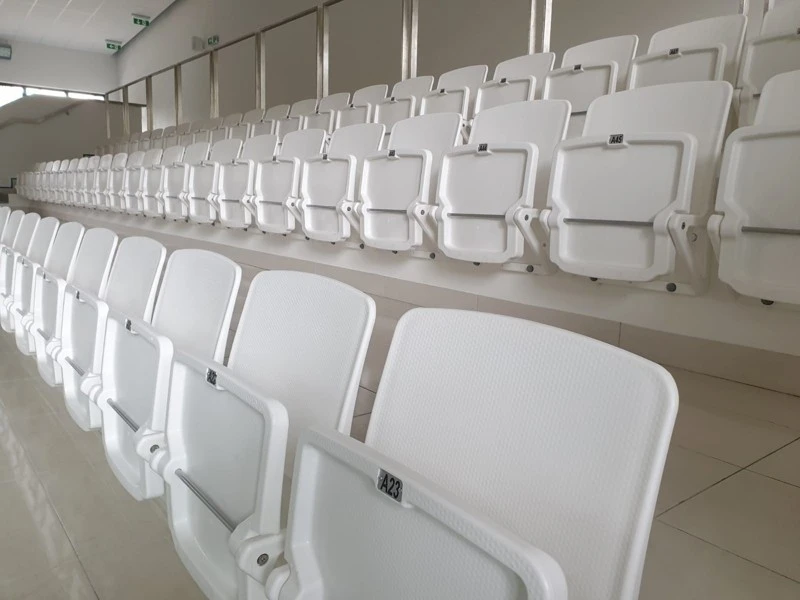
Most fans never look down. They should. A single chair in a premier arena represents a decades-long war against UV radiation and thermal expansion, fought with high-density polyethylene (HDPE) and sheer mechanical pressure. It starts with the polymer. This isn’t the flimsy stuff used for milk jugs. It is a high-molecular-weight beast, often packed with flame retardants and secret-sauce stabilizers that keep the plastic from turning into chalky dust under a desert sun.
Perhaps the process looks simple from a distance. It isn’t.
Steel, Heat, and the Injection Logic
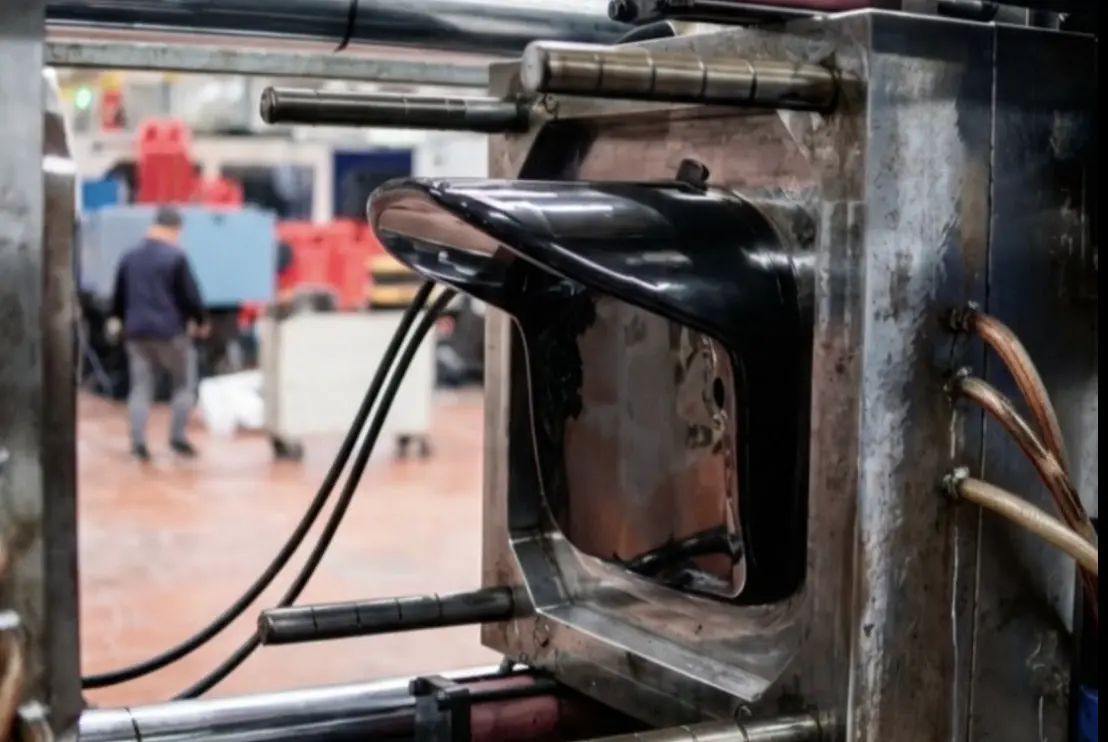
Injection molding usually wins for high-volume arena chairs. Imagine a steel mold roughly the size of a small car. It clamps shut with enough force to crush a tank. Molten plastic, heated until it flows like thick honey, is forced into the cavity at terrifying speeds. Pressure matters. A lot. If the pressure drops even slightly, the seat develops “sink marks”—ugly, weak depressions that signal a manufacturing failure before the first fan even sits down.
The cooling cycle is where most beginners fail. (Honestly, it’s the hardest part to master). If the water channels inside the steel mold aren’t perfectly balanced, the seat warps as it exits. An experienced engineer knows that a three-second delay in the cycle can ruin a batch of five hundred chairs.
Why Hollow Blow Molding Survives the Chaos
Sometimes, solid plastic is too brittle for a rowdy crowd. This is where blow molding enters the frame. Instead of filling a cavity, the machine drops a hot tube of plastic called a parison. The mold shuts, air blasts inside, and the plastic expands against the walls. The result is a double-walled structure. These seats are effectively air-cushioned tanks.
- Impact dampening: The hollow core absorbs the energy of a jumping fan.
- Thermal stability: Two walls are better than one when the temperature swings forty degrees in a single afternoon.
The War Against the Sun
The sun is the primary enemy in plastic stadium seat manufacturing. UV rays don’t just fade the color; they dismantle the polymer chains at a molecular level. To fight this, manufacturers put samples through “accelerated weathering.” They blast the plastic with intense radiation and salt spray for thousands of hours. If the plastic becomes brittle or loses its “flex,” the entire formulation is sent back to the lab.
Maybe it sounds excessive. It’s necessary. A seat that shatters in year three is a liability nightmare that no stadium manager wants to handle.
Structural Skeletons and Final Stress
Plastic needs a spine. Usually, this means hot-dip galvanized steel or cast aluminum supports. The marriage between the HDPE shell and the metal bracket is where most “budget” seats fail. One might think a simple bolt works. It doesn’t. The mounting points must be reinforced with thick bosses and steel inserts to prevent the plastic from shearing off under the weight of a standing spectator.
Raw data doesn’t lie. High-quality production requires constant “charpy” impact testing—literally hitting the product with a pendulum to ensure it doesn’t snap like a dry twig.
Evaluate the seating in the venue today. If the surface feels rough or the color is “chalking,” the structural life is over. Consult with a manufacturing specialist to discuss weather-hardened HDPE upgrades that actually last a decade.
–